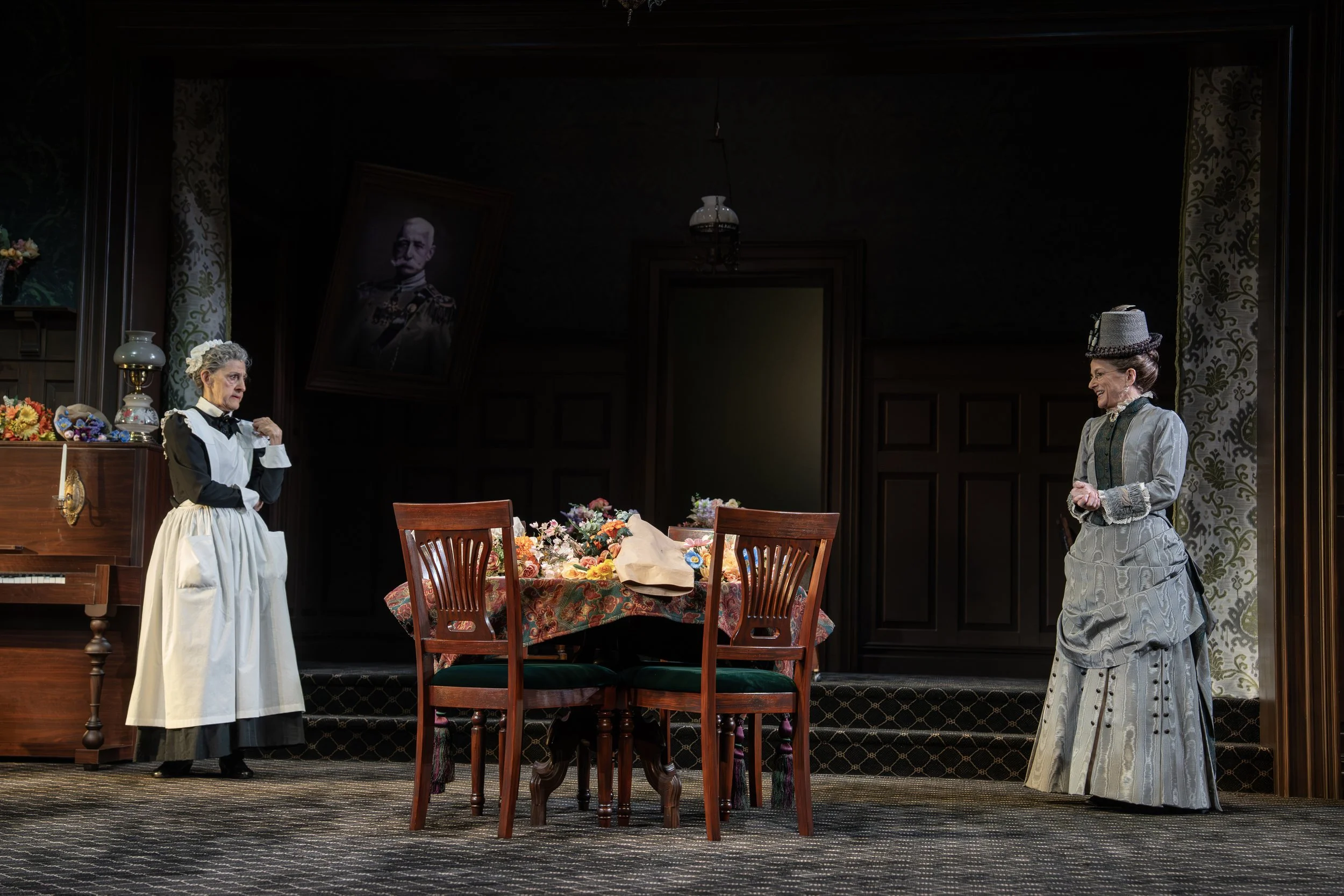
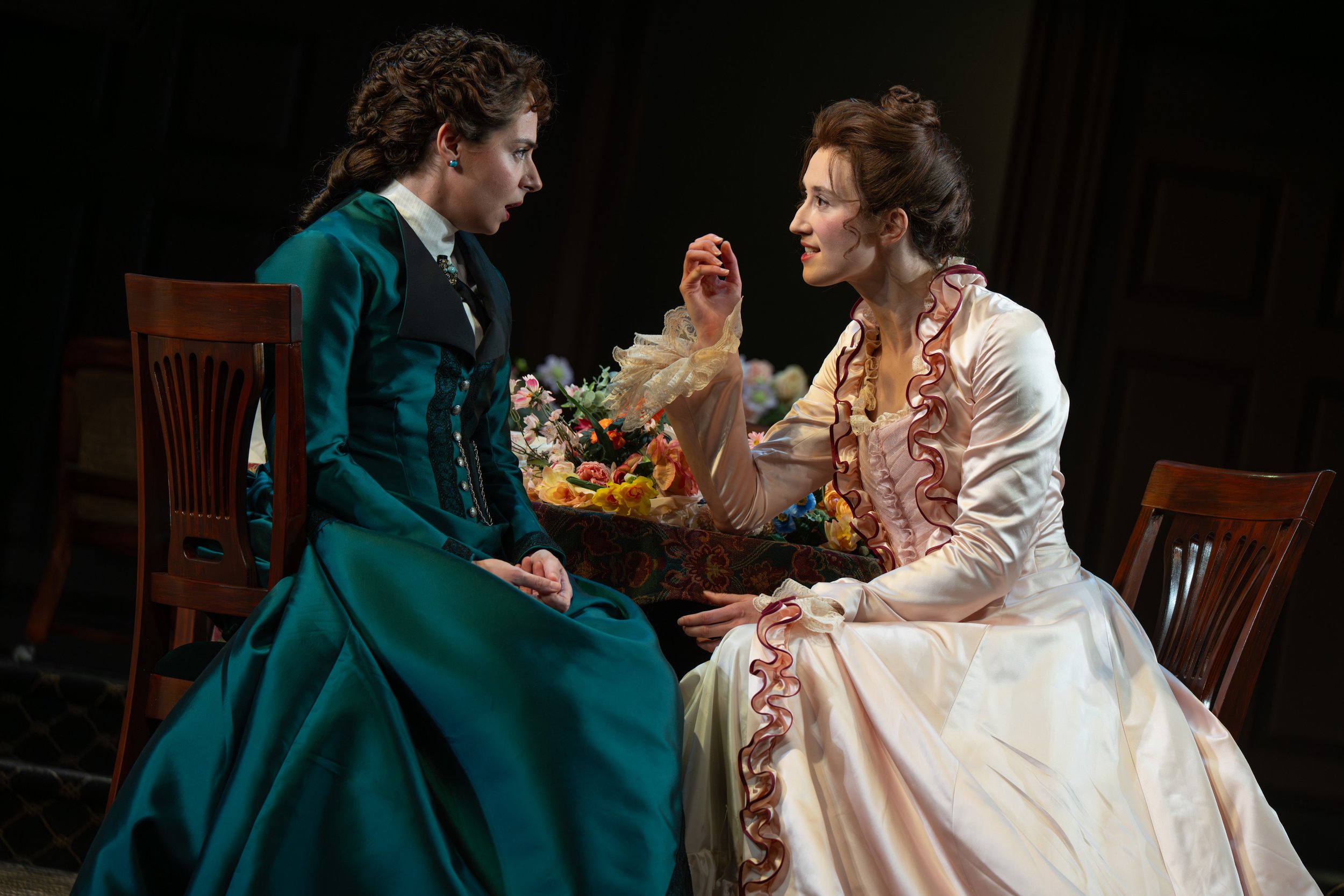
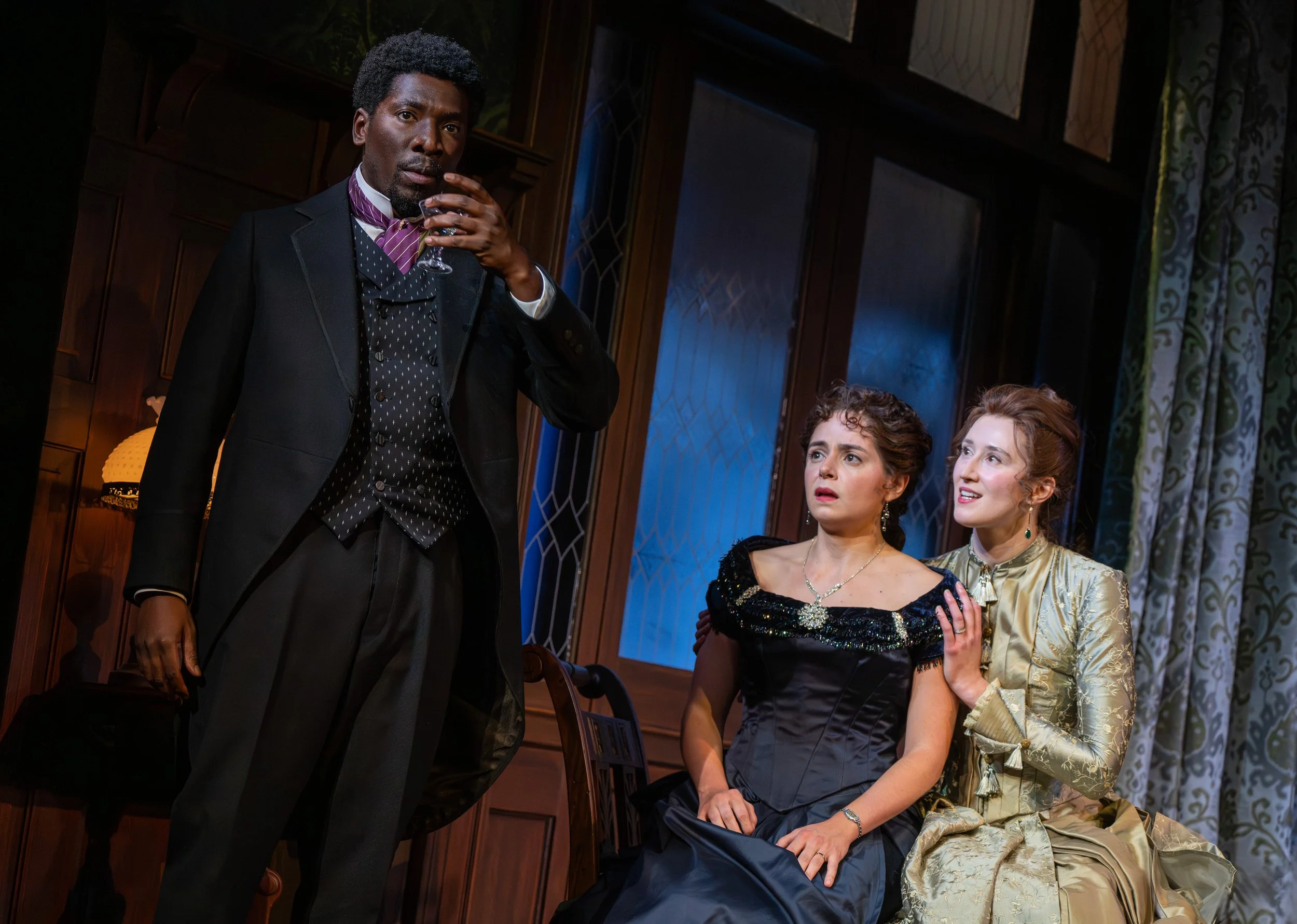
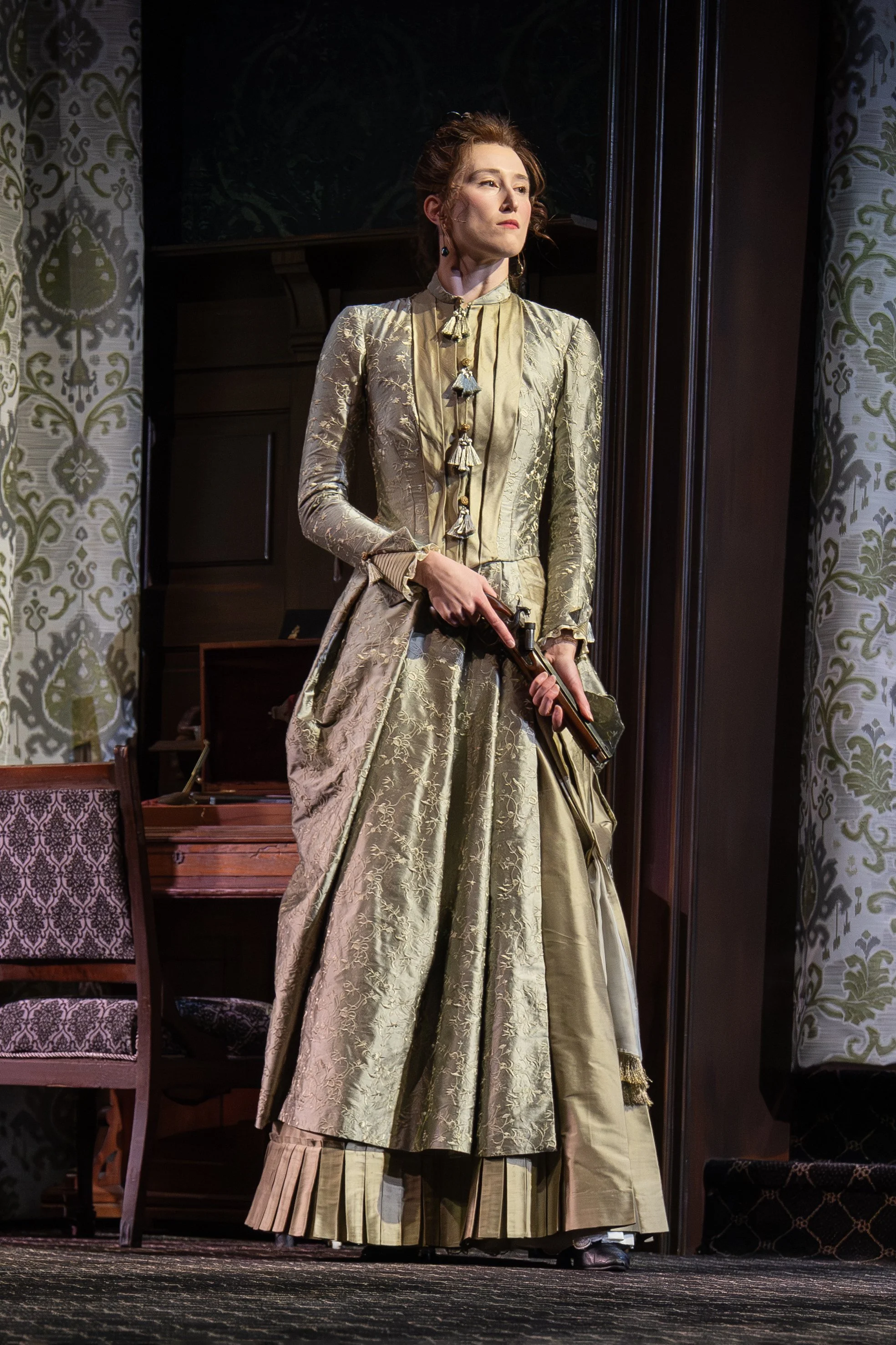
Donald Brown
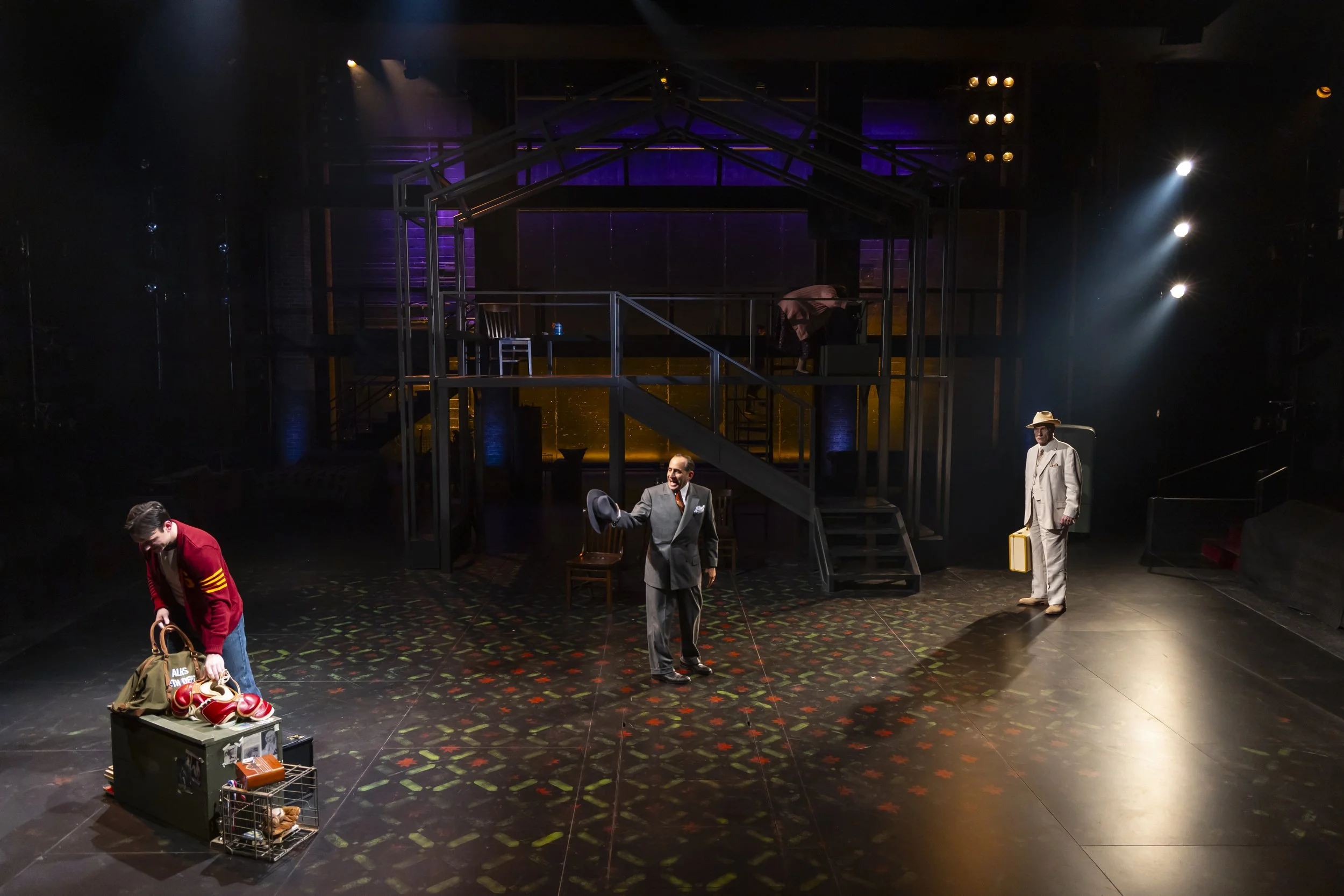
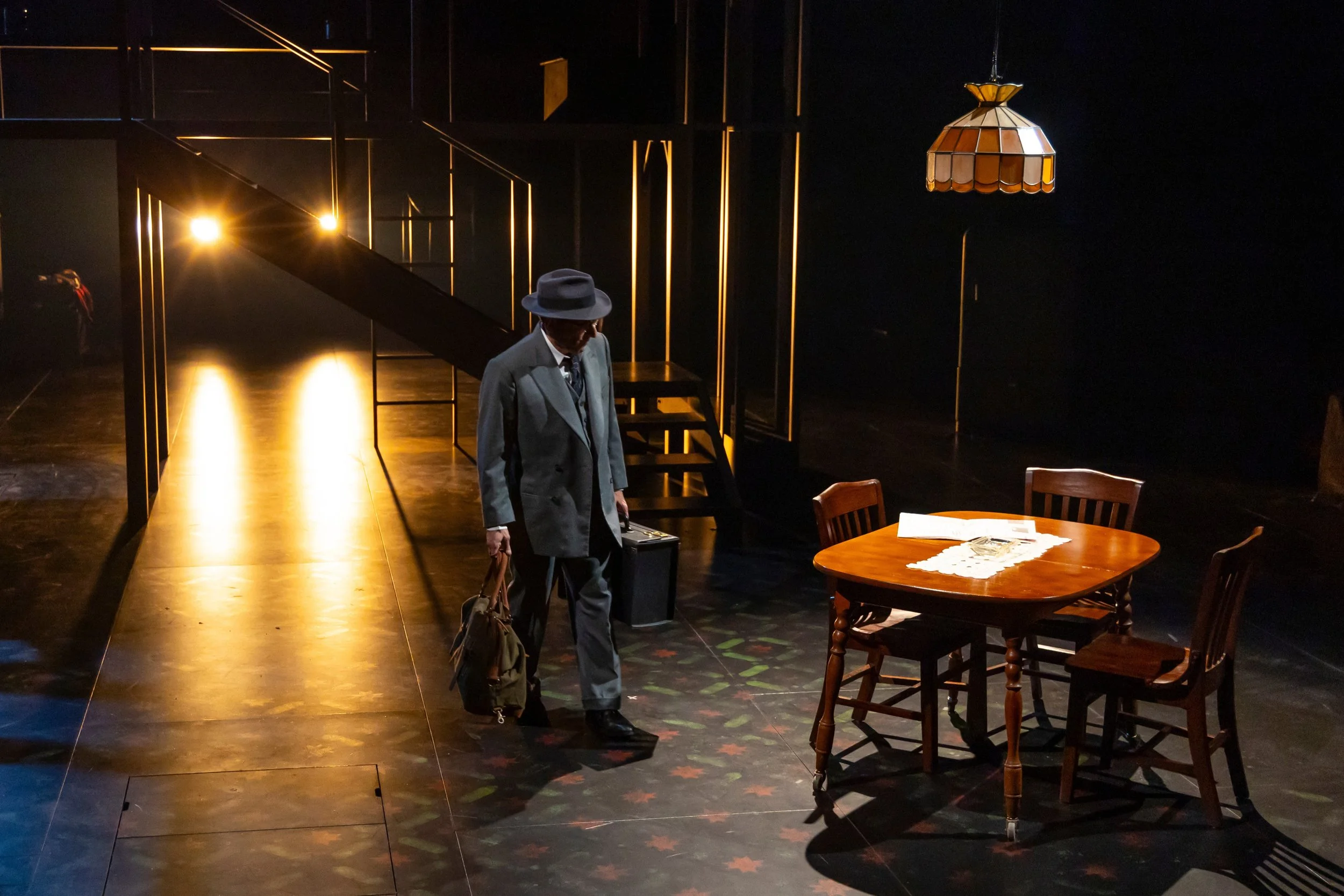
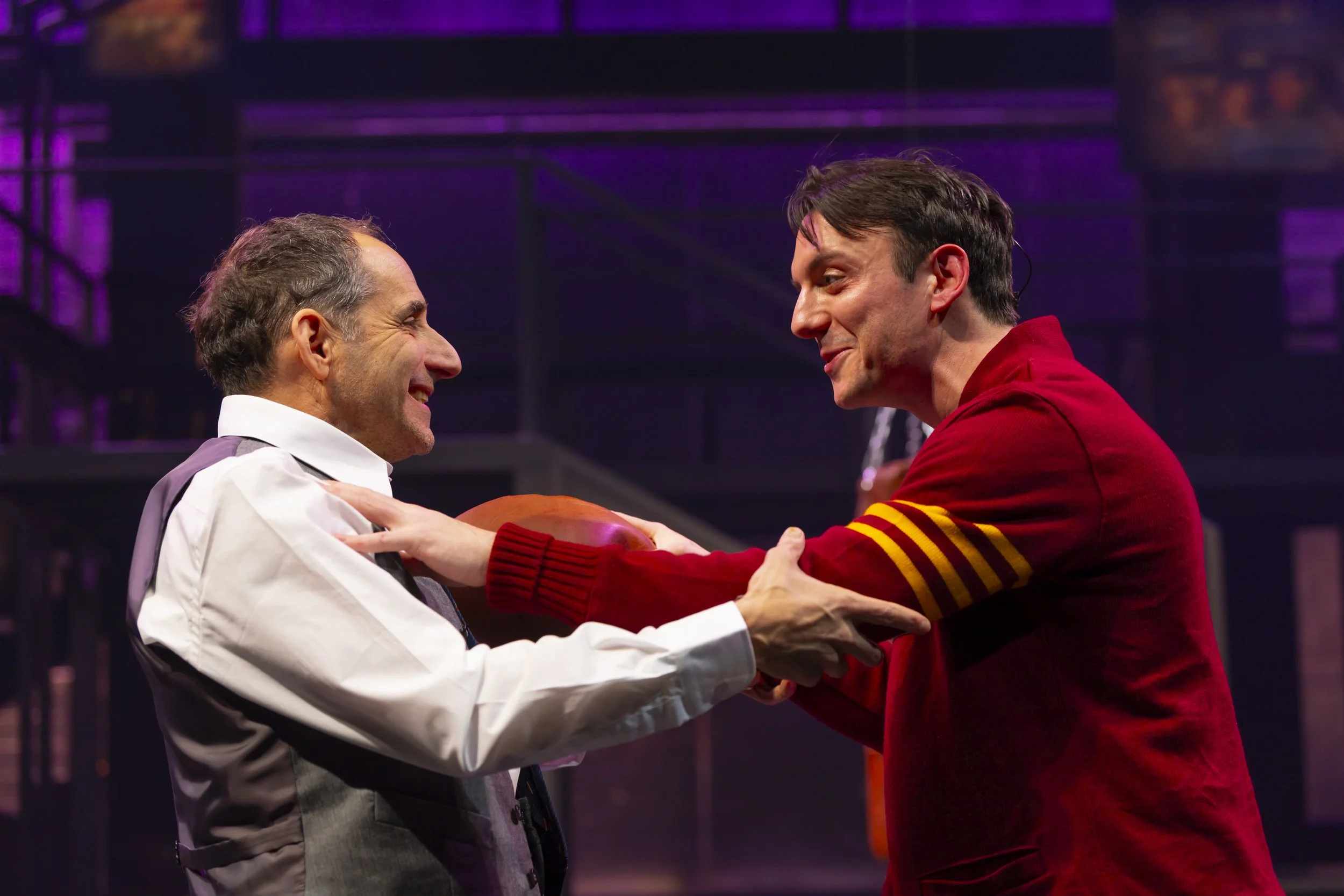
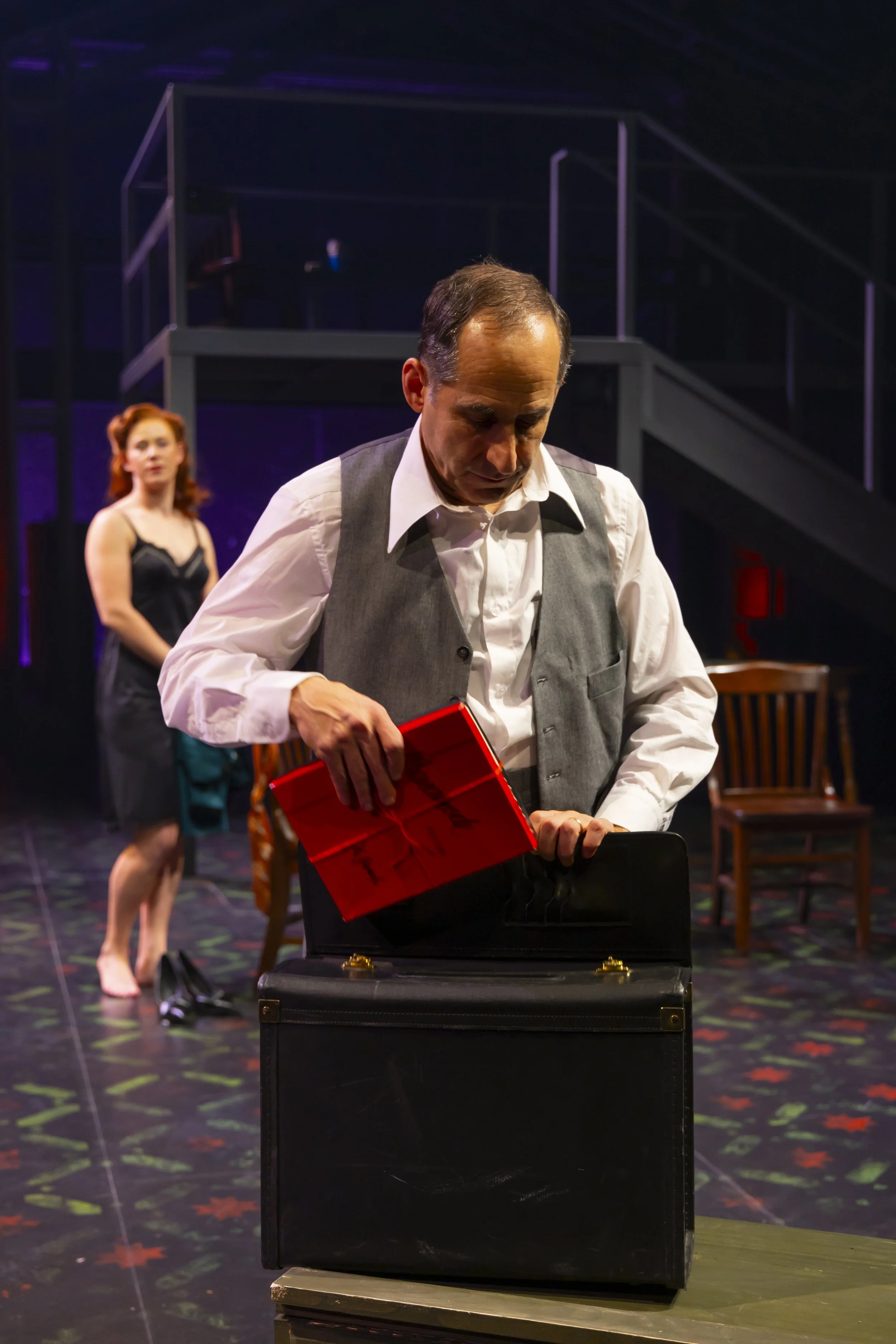
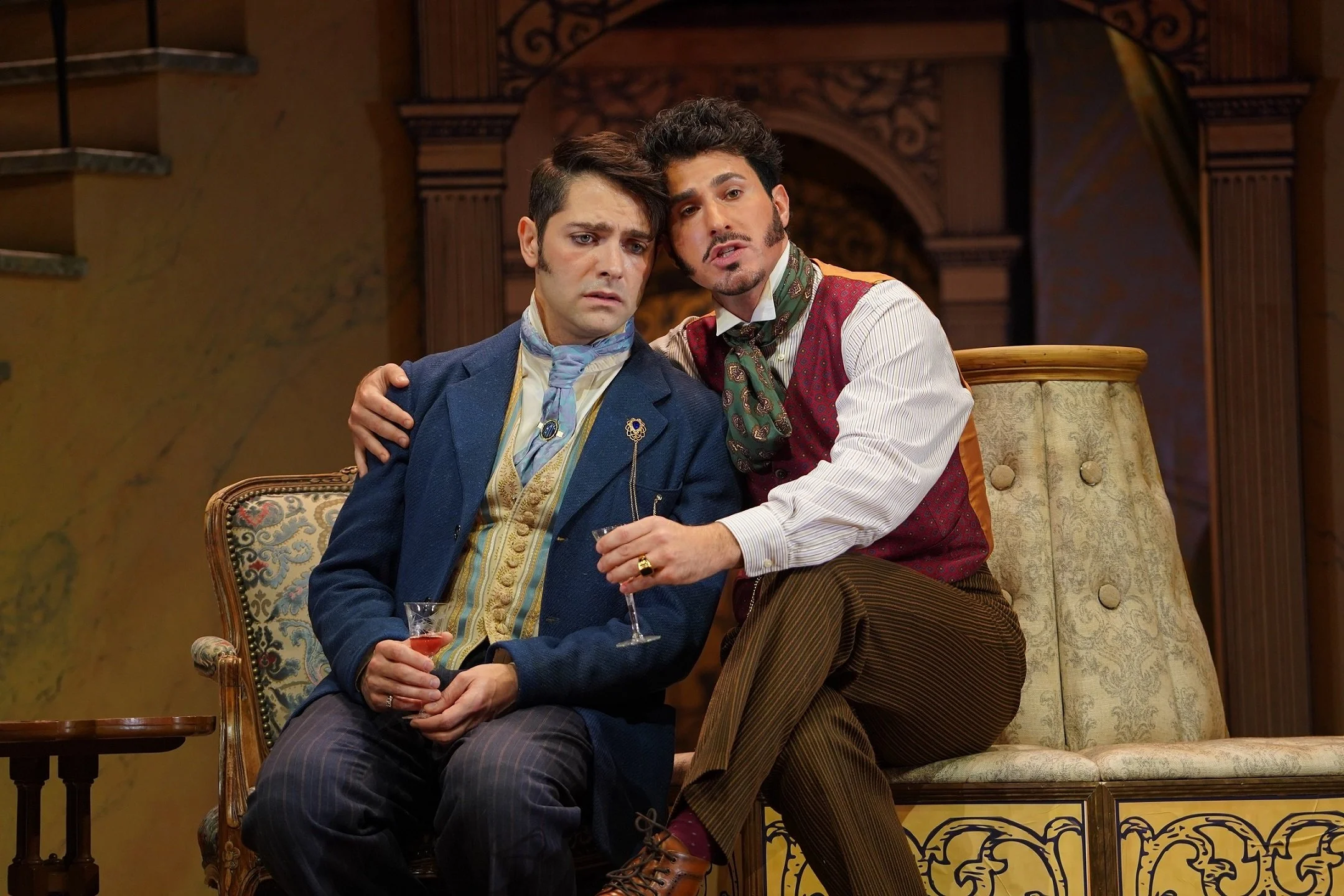
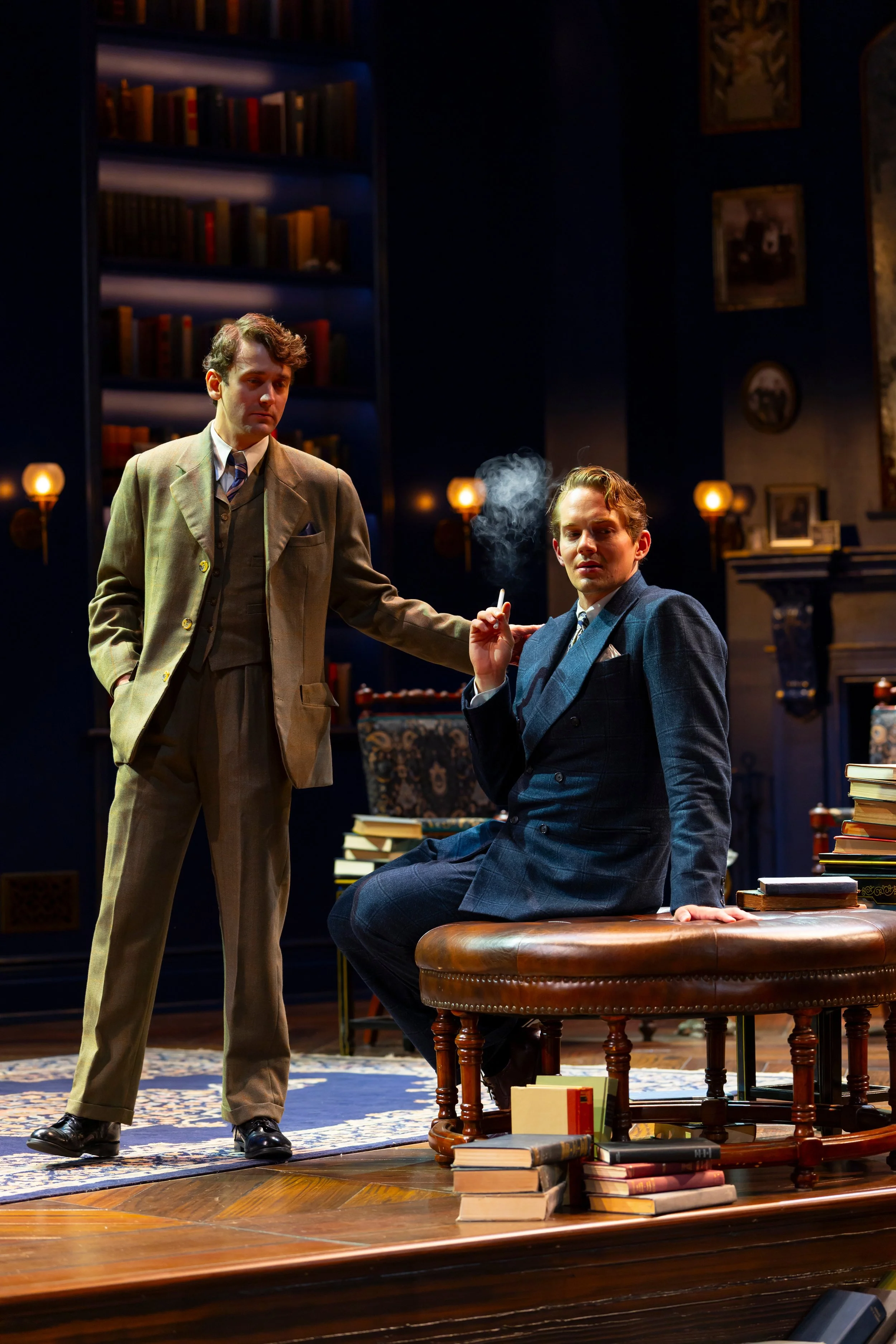
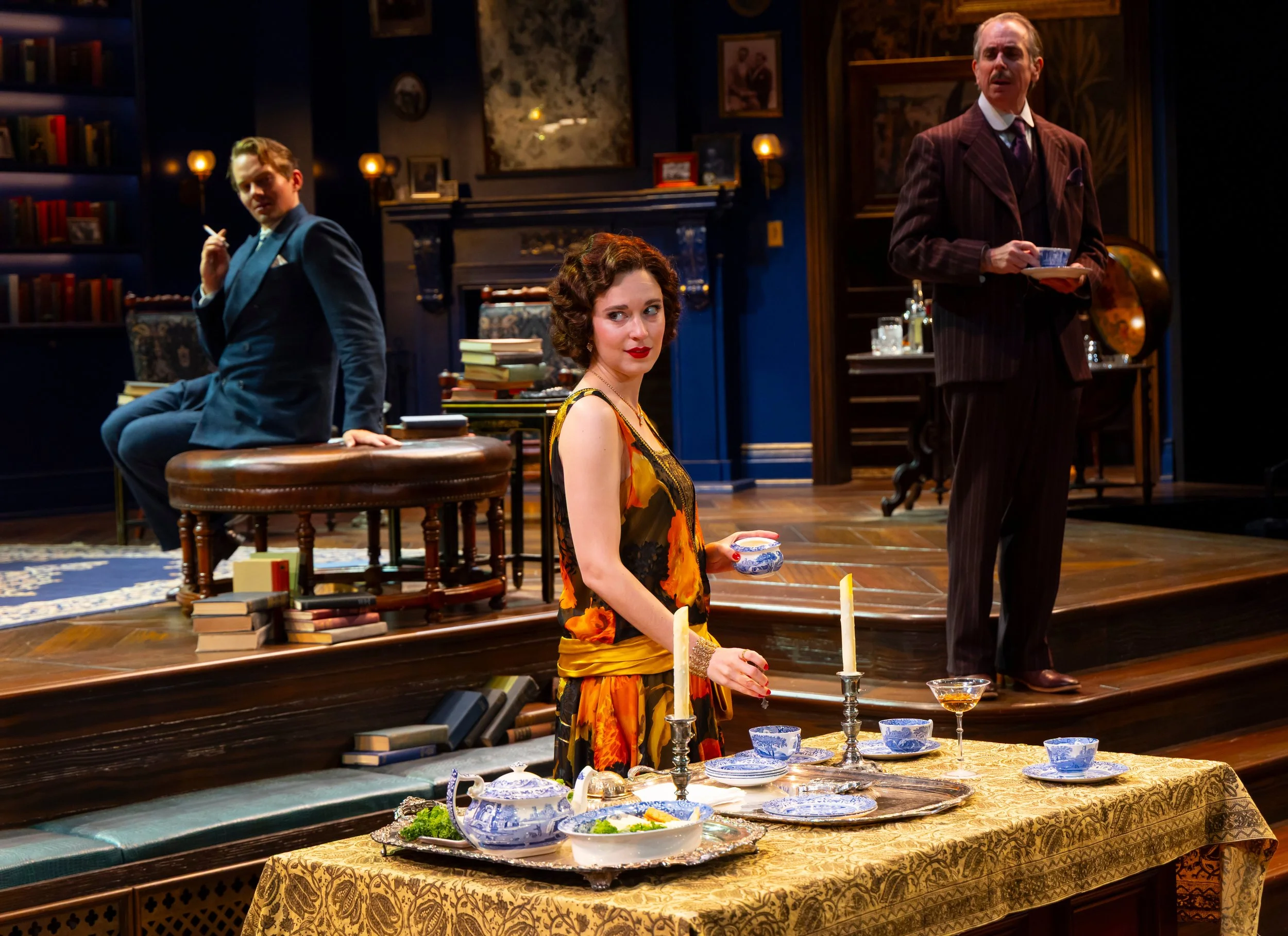
muse, the final show of the Yale Summer Cabaret 2010 season, is an original dance-theater piece, a two-character drama that presents the story of Scott and Zelda Fitzgerald from the point of view of the afterlife.
Brenna Palughi conceived the idea, scripted it in collaboration with her production team, Danny Binstock, Walter Chon, and Adina Verson, directs and choreographed the show, and stars as Zelda. She finds in the story of these literary icons the kind of vivid fascination that, these days, attaches to the likes of Brangelina. Scott and Zelda lived lives that were not only passionate and artistic, but were also emblems of their era, the Roaring Twenties, forever associated with them, both because of Scott’s works, such as The Great Gatsby (1925), and the couple’s lifestyle.
To present the reality of the couple, Palughi’s script uses only the duo’s actual words — mainly from their considerably articulate correspondence. But rather than try to recreate the events of the couple’s life, Palughi cannily creates a retrospective fantasy, a kind of Satrean “no exit” space where the couple have to face eternity by trying to make sense of what they were to each other and why it went so wrong.
One of the most unforgettable moments, as a glimpse into the abyss the public couple tried to skirt, derives from a transcript of a session at the Fitzgeralds’ home with a psychologist (voice of Joby Earle) in attendance to act as arbitrator. Zelda, who had wanted to be a dancer, published a novel, thus treading on her husband’s territory. Worse, she was now working on a novel based on events Scott was trying for years to draft as material for what would eventually become Tender is the Night (1934). To hear Scott baldly declare the conditions under which his wife must live, in order to continue being his wife, is rather appalling to anyone who expects something closer to mutuality in marriage. On the other hand, the position Scott speaks from is not really one of bullying strength, no matter how his words sound. He is in need of Zelda, hence the title of the piece: muse. Without Zelda’s participation in his life, Scott seems to fear a loss of his bearings, but at the same time, any act she might take in her own interest would be considered a complete betrayal.
As Scott, Binstock enacts vividly Scott’s nature via dance and dialogue. He displays graceful self-control in a lengthy dance piece with Palughi that narrates the couple’s entire story with considerable economy and aplomb, but we see the pressures he faces take actual physical toll on his movements. And in his spoken protests and pleas Binstock shows us a Scott verging on a loss of control that, if it were to occur, might have been a saving grace. Instead, we always feel Scott’s grasp of himself, so thoroughly buttoned up in his lovely suits, no less tenacious for being tentative and vulnerable. Only when he dances do we see some of the “light fantastic” that makes the prose so golden, so self-assured.
In a segment where word and movement are particularly well matched and powerful, Zelda kneels on the stage reading a letter from Scott comprised of nothing but hurtful, insistent, resentful, relentless questions while behind her Scott performs a marionette’s series of jerks, slaps, and contortions. Here we see the perfect visual realization of something almost inhumanly mechanical — the way his concept of himself as a writer controlled Scott just as fiercely as his need to control Zelda.
As Zelda, Palughi’s dancing is able to express an openness and abandon that seems, from all accounts, to have been part of Zelda’s fascination. But it’s also fascinating to hear how lucid she could be, even when threatened with an asylum. Palughi’s voice at times gets strident but never veers into the kind of hysteria we might expect. Her Zelda is verbally in control, even if her expression at times becomes a doll-like fixity, the mournful gaze of a spirit trapped forever in her husband’s vision of her.
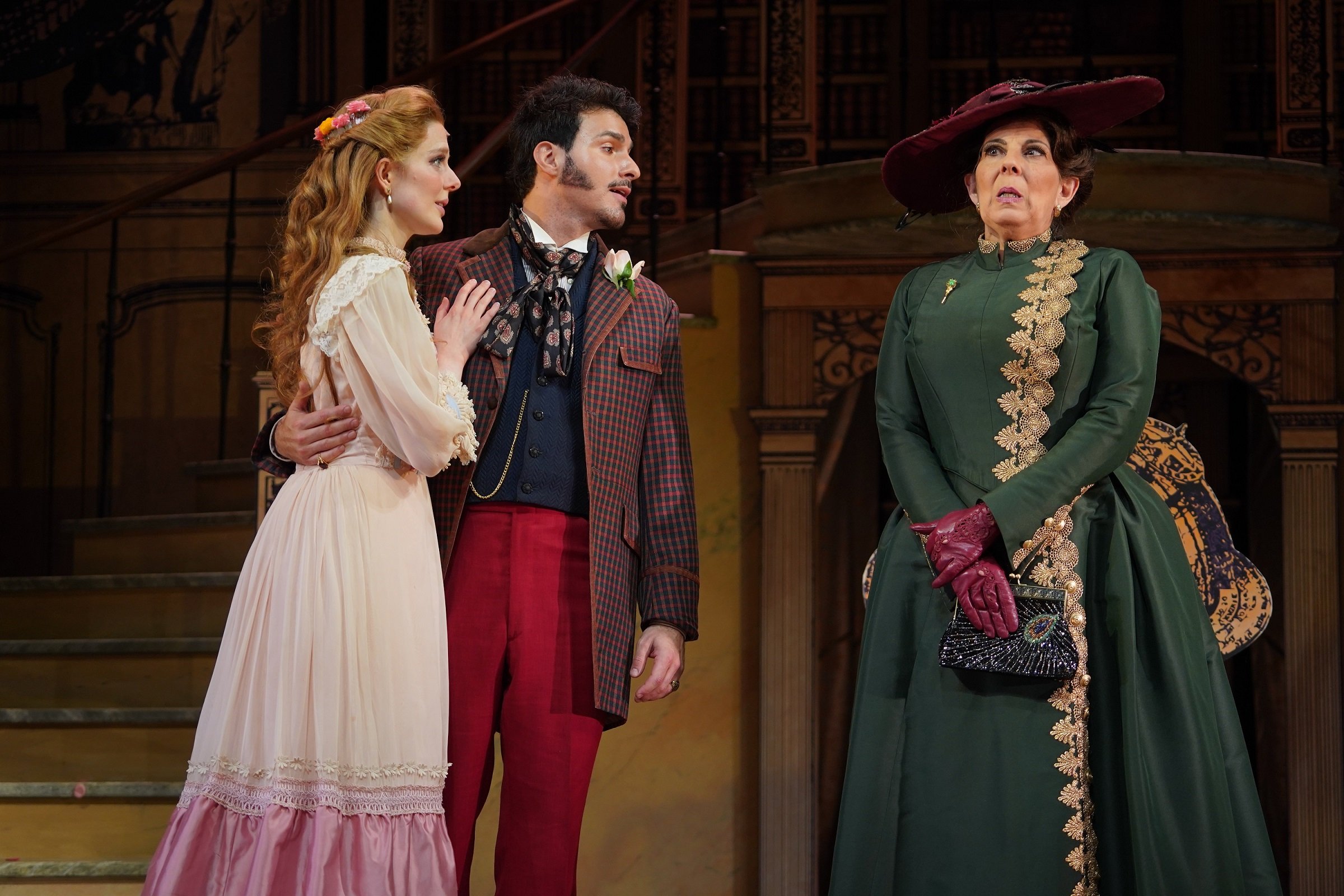
For all the tensions and darkness of this marriage, Palughi’s sense of the material highlights its romantic potential. Elizabeth Groth’s costumes are lovely; her set is a world literally papered with words; the music — Gershwin for instance — breathes with rapture and jaunty melancholy; Sarah Lasley’s newsreel-like projections add the necessary touch of the mediated reality that encroached on these lives, making them famous and a part of our nation’s permanent record.
In the afterlife, “hell is other people,” but if the people were truly a couple — overriding even “til death do us part” — it may be possible to see that the feeling “to be young then was very heaven” might also override all-too-human failings with the heady thrill of being “beautiful and damned” for all time.
muse; conceived and directed by Brenna Palughi
July 29-August 14, 8 p.m.; August 7, 2 p.m.
Yale Summer Cabaret: 203.432.1567; SummerCabaret.org
Brian Slattery
One of the abiding pleasures of writing books, and being lucky enough to have them published, is the way in which they have led me to discover parts of the literary world I may not have discovered otherwise. Among them is a brand of science fiction and fantasy that’s been given all kinds of labels—my favorite is the New Weird—but basically boils down to books in which many strange and interesting things happen, and in which the writing is really, really good. My running favorite author in this group, which makes him one of my favorite living authors, period, is Jeff VanderMeer, a prolific and vastly talented writer perhaps best known for his books about a fantastical, decaying, and distinctly postcolonial city called Ambergris. In these books, VanderMeer displays not only an astonishingly rich imagination, but also a pretty ridiculous command of numerous fiction styles, from quasi-Borgesian to hard-boiled noir. His books are social, political, personal: everything I want in fiction. If I were the competitive type, I’d say he’s the man to beat.
Which is why when Matthew Cheney—an NHR contributor, among many, many other things—asked me if I’d contribute to a series of reviews on VanderMeer’s new short-story collection, The Third Bear, I was all over it.
I said before that one of the things I like so much about VanderMeer’s writing is his deft mixture of the social, political, and personal. “The Goat Variations,” which Kevin Brockmeier singled out for praise in his blurb of The Third Bear, accomplishes this to great effect, as the leaders of a nation falling apart at the seams catch wind that a calamity is coming, but don’t know how to stop it. Oh, right—this story also involves alternate realities and time travel, which makes for a really heady mixture. Conceptually, VanderMeer sets up a very difficult task, that of writing directly about George W. Bush without hitting us over the head, and yet still giving the story teeth. He might not quite get away with it; there’s still a sense that VanderMeer’s too close, that there hasn’t been quite enough time to digest it all. I say this with humility, though: I would have been a bit frightened to even attempt to write a short story like this, and certainly wouldn’t have done as well. And the story still has plenty of teeth, as I find myself returning in my mind to VanderMeer’s vivid image of George W. at the beginning of his administration, bludgeoned by catastrophe, the world as he knows it ending all around him, and him just not knowing what to do.
And then there’s “Three Days in a Border Town,” which is one of the best pieces of short fiction I’ve read in years; it’s no wonder it showed up on awards and best-of lists when it was published in 2004. In it, a sharpshooter moves through a dusty border town in the middle of a desert, looking for her husband, but it’s about so much more than that. It’s about devastating loss, hovering just beyond the horizon; it’s about figuring out how to move on. Matthew Cheney has said why this story is amazing as well as anyone, and he’s right. It’s Beckett, it’s the better end of Dennis Lehane (particularly the short story “Until Gwen,” with which it shares a narration written, with wild success, in the second person), and it’s VanderMeer at his best, precise and luminous, transporting and transfiguring. “Three Days in a Border Town” is the kind of story that seems to take in the whole world, to be about everything at once, and it shows that when VanderMeer’s writing at the top of his game—which is pretty much all the time—it’s foolish to talk about beating him, because you can’t.
Donald Brown

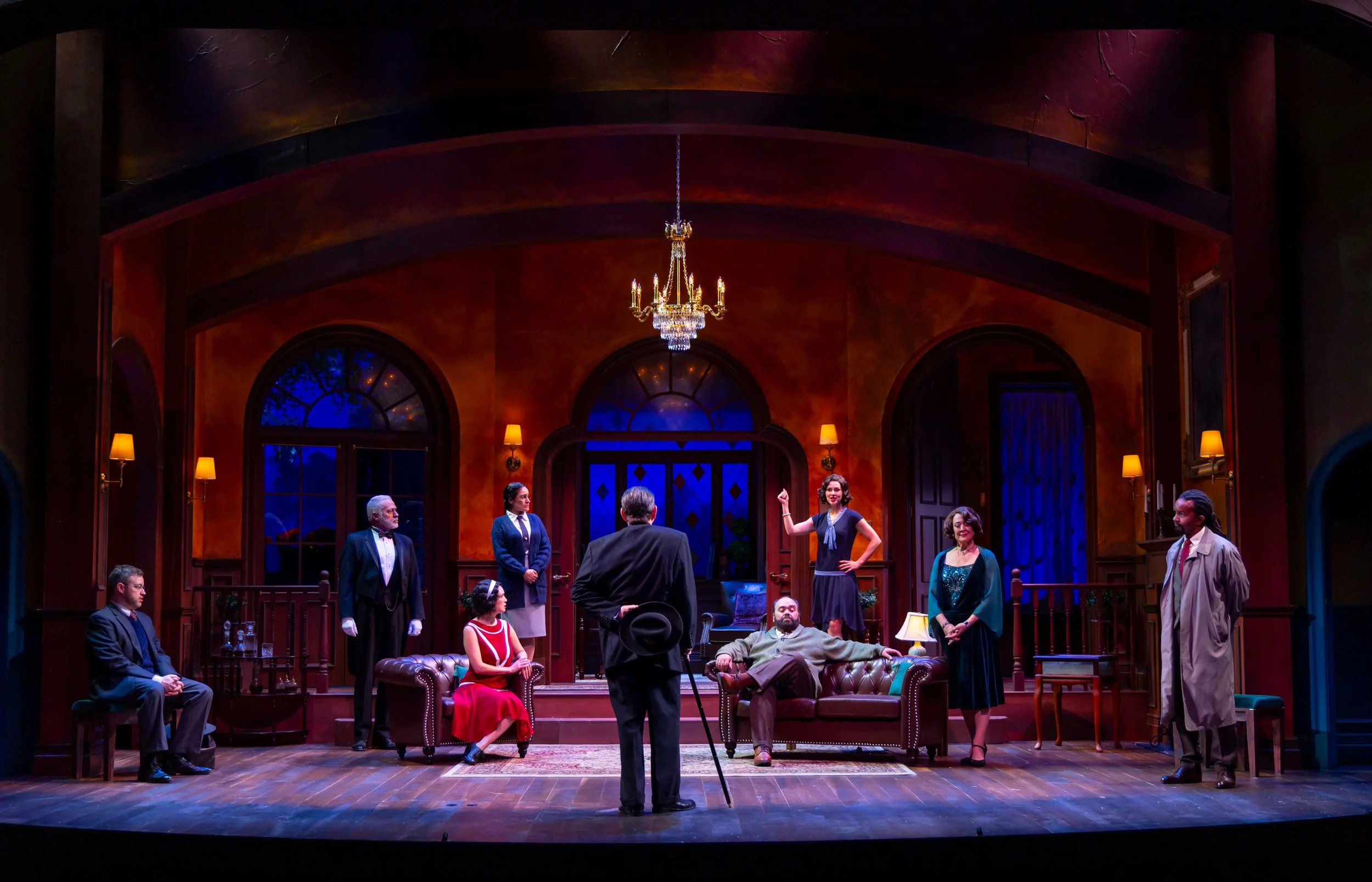
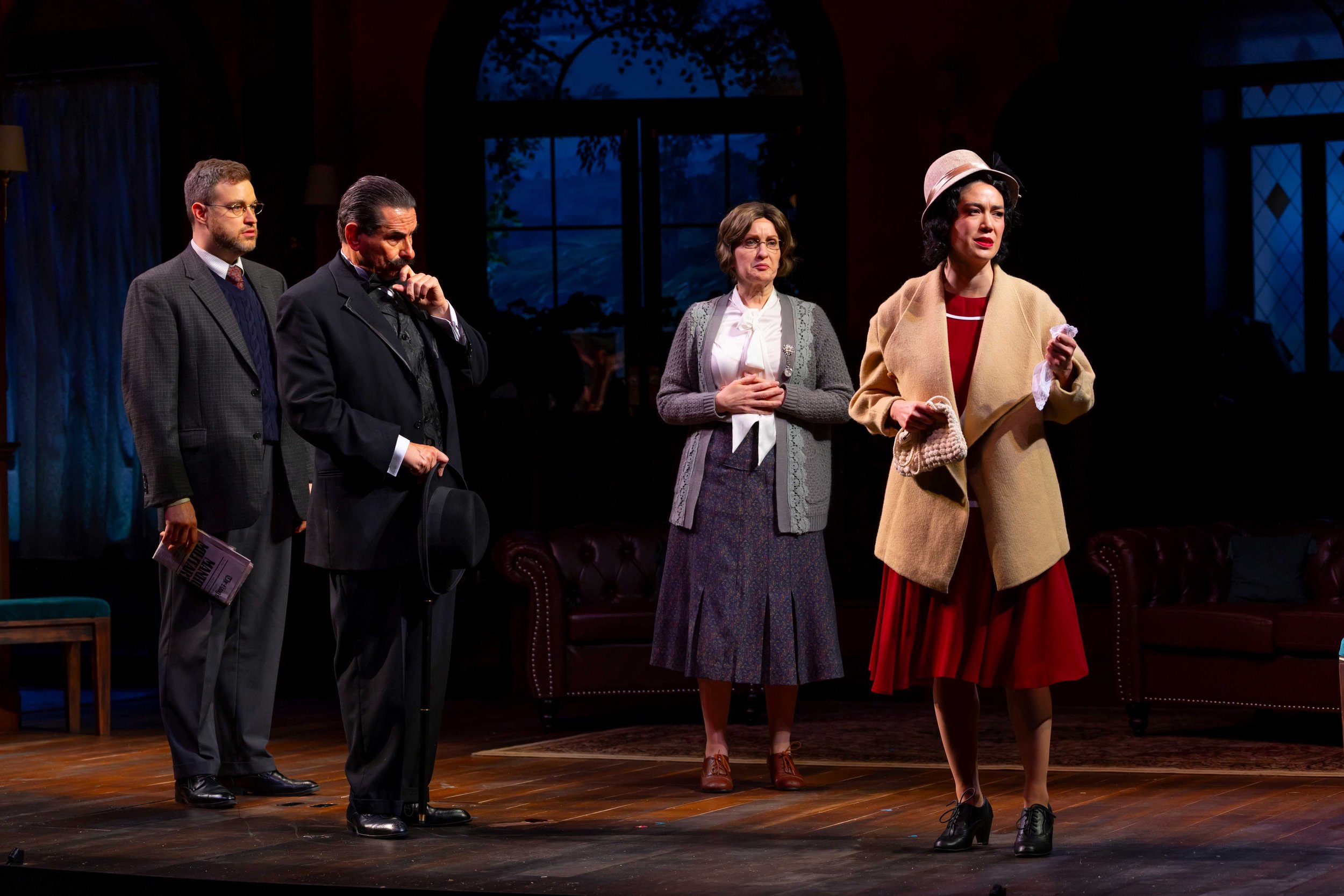
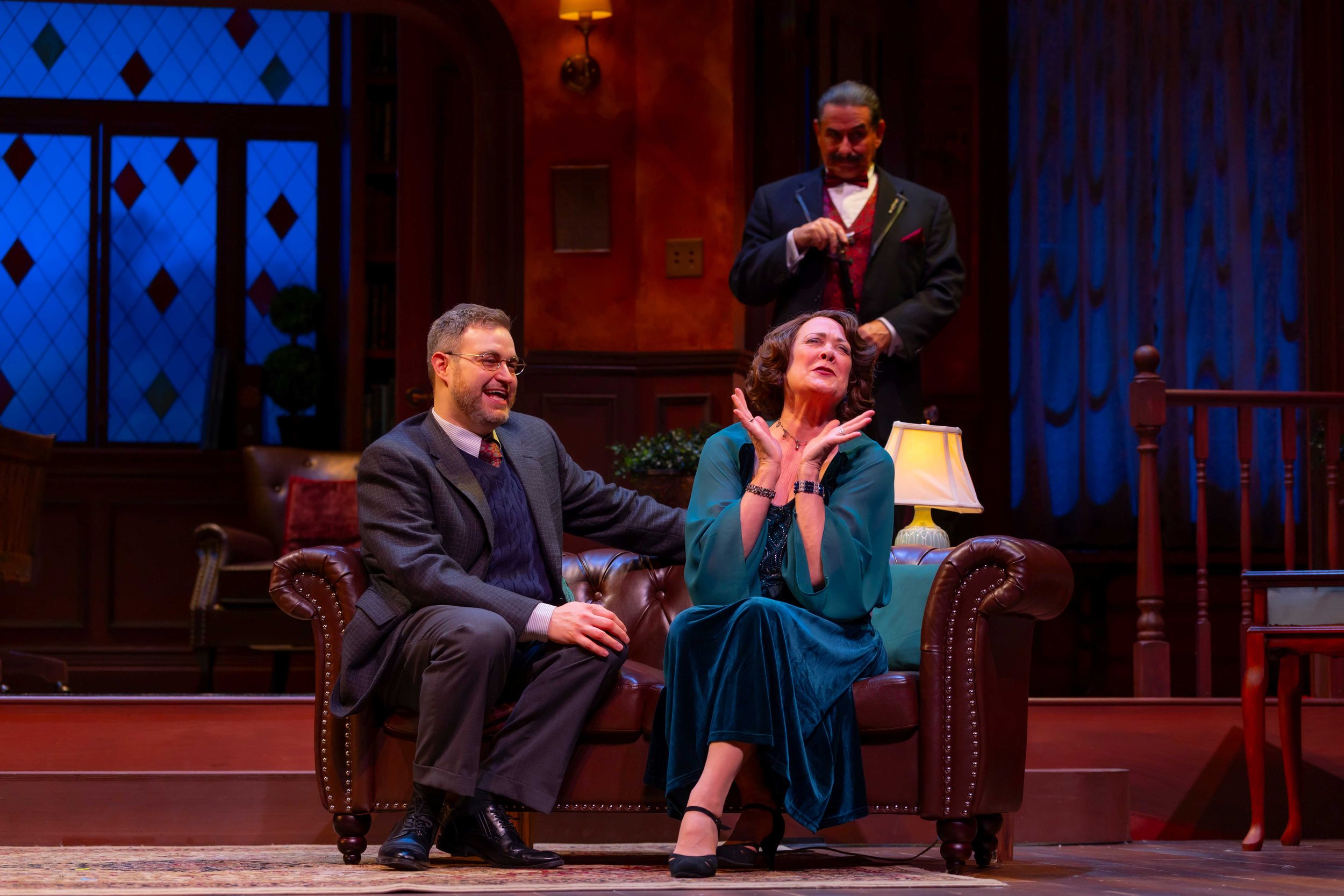
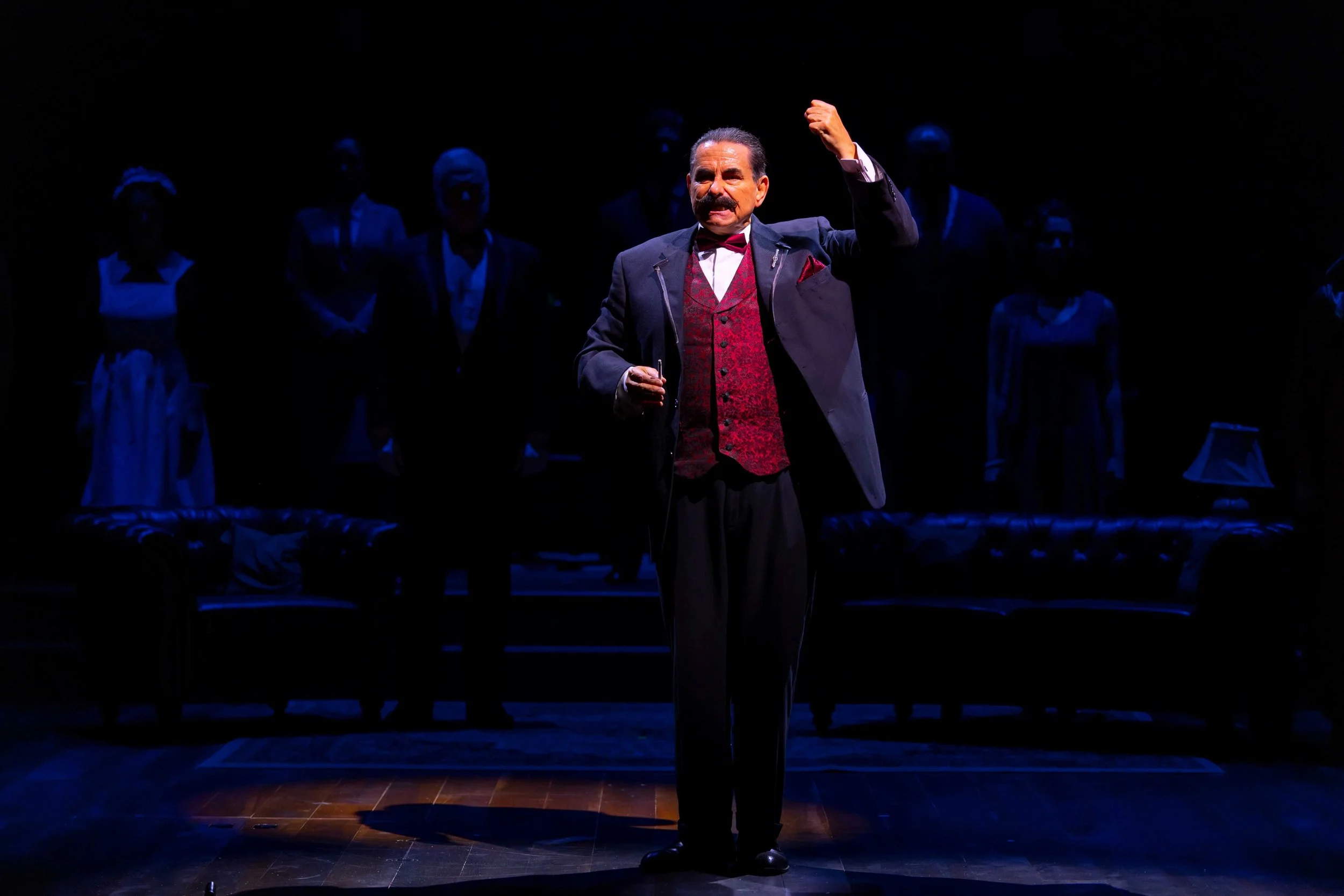
Director Devin Brain and the cast of the current Yale Summer Cabaret show, The Phoenix, have given themselves quite a task: to render a situation that could be either fantasy or reality, but either is potentially alienating. Based on a haunting story by best-selling Australian author Isobelle Carmody, the play has been derived by the cast via an improvisational process of discovery, which means that the presentation is not scripted so much as agreed upon through trial and error during a long period of gestation.
If that sounds daunting, it should. But it also may be the best way to approach a story like this which relies so much on shared fantasy among its characters. The logic seems to be: if the actors are making things up together to make the play exist in the first place, they’ll be all the more convincing as the fantasizing characters they portray.
William (Ben Horner), we’re told, is the “local feral child” — an amusing appellation, but one that means his character will be hard to read. He addresses Ragnar (Shannon Sullivan) as a princess — and not figuratively. He actually seems to believe they are foundlings from another world, left to wander a beach deserted but for a wounded gull Ragnar names Greedy. In addition to using a bird puppet, the play fleshes out the bird via William Demeritt, complete with feathers at his temples, a brace, and a crutch, appearing at times like a guardian spirit fallen on hard times as he manipulates dolls that emulate the scenes the actors play out.
Though the dark backstories of Ragnar and William are a bit sketchily thrown at us before we have much idea of what’s going on, Horner and Sullivan fascinate us with the strange mix of desperation, denial, and happy inspirations that unite the duo. One device I particularly liked was Sullivan showing us, mutely, a series of photographs while looking at us with facial expressions that telegraphed exactly how Ragnar felt about each image and how we should read them. That didn’t mean we necessarily grasped the narrative, but the effort to communicate it was palpable.
But when Torvald (Joby Earle), a charismatic boy from a different class and school, enters the scene, things really begin to click. Before that we’re just trying to follow the logic of a folie à deux that seems harmless if unsettling; once the third character is introduced we have a conflict. Will he enter — as he seems to — the rather grand, Dungeons and Dragons-like world the other two mentally inhabit, or repudiate it? And if he does enter it, is he sincere or after something?
At this point in the story, the three principals act out their interactions via the dolls, and suddenly a feeling of truly being transported to those fabled lands of childhood playtime comes to life. And once Brain and company has us entertaining how wonderfully trusting and expressive and vulnerable that world of shared make believe can be, they’ve got us primed for where they want to take us. It becomes an uncompromising and tragic play about the unwritten laws we intuit and then either respect or betray when entering into private, personal bonds with one another.
As ever at the Cabaret, it’s the unexpected touches that impress us as theater: the song William makes up, seemingly on the spot; Ragnar’s bike helmet; Torvald’s inspired use of an overhead projector; moody musical tones, particularly an expressive acoustic guitar part, that surrounds the action, provided by musical director Nathan Roberts; and, finally, that frail craft — a boat upon a boat — that gives us poetry as closure.
The Phoenix, from the story by Isobelle Carmody; adapted by Devin Brain and the cast; directed by Devin Brain
July 1-17, 8 p.m.; additional 2 p.m. show on the 10th; Yale Summer Cabaret, 203.432.1567
Donald Brown
David Rabe, Girl By The Road At Night, NY: Simon and Schuster, 228 pgs.
One could say that David Rabe is obsessed with the Vietnam War. Best known for a trio of award-winning plays in the ’70s that deal with that conflict and its effect on those who fought in it, Rabe has more recently turned from theater and taken up fiction-writing and now, with his latest novel, returns to the war that made him famous. We could say that he does so because he knows he can write about it well — Rabe served in Vietnam in the mid-’60s — and because, perhaps, it’s a part of our history that never goes away.
I found myself questioning that last supposition in the early going of this poetically spare, episodic novel. Is Vietnam a national obsession still, or is it Rabe’s more than ours? Perhaps more to the point — regardless of what you think of the war and its era — is the question: is there anything more to be done with it?
It may be an unfair question, but when you see the novel’s rather taciturn and self-involved protagonist Joseph Whitaker, on the eve of his depature into the army, hanging around in DC hoping to get laid by a war-protesting flowerchild, you might be excused for thinking it all a bit too familiar. But when Whitaker drops in on his former girlfriend, now involved with a new guy, he begins to come alive a bit more, taking on dimension due to a feeling of unfinished emotional business that could lead him to more interesting experiences.
Rabe alternates the chapters depicting Pfc. Whitaker’s misgivings about service in the war and his general lot in life with chapters that introduce us to Quach Ngoc Lan, a Vietnamese prostitute plying her trade at Madame Lieu’s, where GIs can get their jeeps washed and their junk moved simultaneously. Rabe is very effective at rendering how the GIs view these locals, but there aren’t many surprises here amidst the general racism and, occasionally, grudging appreciation of what would’ve been thought of as “oriental mystery.” But gradually the interiority of Lan, attenuated as it may be by lack of education and a rather elemental sense of life, becomes louder and louder for the reader as her pidgin English — where Rabe gets to show his command of dialogue — comes to seem not a limitation so much as a unique form of communication. Her motives and her actions are often glimpsed through the viewpoint of others, but Rabe’s greatest achievement is making us feel not that we know Lan but that we would very much like to.
Is Lan the all-too-familiar whore with a heart of gold, and Whitaker the GI who tries to save her from a world they never made? Frankly, Rabe’s tale is not as far from that soapy terrain as some readers might like, or, alternately, doesn’t wallow in it to the degree that others might wish. There is a connection between the two and it might mean something, but Rabe keeps us furnished with enough sense of the grim realities of the setting to prevent us from expecting any improvement for either of them.
But what the interest of Girl hinges on is not its depiction of prostitution and the war — as forms of exploitation that put both Whitaker and Lan in something of the same position as expendable vassals — but in its willingness to look unsentimentally at the power that even a minimum of communication and connection can provide between people who are strangers to one another and, to some extent, the situation in which they find themselves and each other.
“Misery acquaints a man with strange bedfellows” Shakespeare said, and the journalist Charles Dudley Warner famously stated that “politics makes strange bedfellows” Rabe’s novel takes for granted that the politics of the war and the misery it gives rise to create a condition that might throw together unlikely bedfellows, and the novel’s best effect is making us believe they might have something to offer each other.
David Rabe reads at RJ Julia Booksellers, Wed. June 23, 7 p.m., $5, which may be used toward purchase of the book; 768 Boston Post Road, Madison, CT; www.rjjulia.com
Donald Brown

The Yale Summer Cabaret debuted its 2010 season with cult favorite Hedwig and The Angry Inch, text by John Cameron Mitchell, songs by Stephen Trask. Directed by Jesse Jou, artistic director of the Cab this summer, the working conceit of the piece is that we aren’t watching theater but rather a rock band, The Angry Inch, led by Hedwig, perform in some dive. Between musical numbers, Hedwig regales us with tales of her life in an ongoing monologue — and colorful, kinky, comical, disheartening and inspiring it is.
Hedwig began life as a boy named Hansel living in East Germany before the Wall fell. An American soldier named Luther falls in love with the “girlyboy” and in order for them to marry, Hansel, who adopts his mother’s name and passport, also agrees to have a sex change operation to become female in fact. The operation is botched and Hedwig is left genitally indeterminate — neither male nor female, a perfect character to explore the in-between manner of the transgendered.
As Hedwig, Chad Raines is phenomenal. His Hedwig is slyly insinuating, an introvert who has become an extrovert in self-defense. The special condition of Hedwig’s sexuality is both a trial by error that makes her grimly ironic about fate, but also a badge of honor that gives credit to her tale. For this to work, Hedwig can’t seem campy — simply a guy in drag — and Raines brings it off admirably. He gives Hedwig an aloof Dietrich air that can veer into Janis-like vocal lacerations at will.
The latter are fueled by the vulnerability of Hedwig’s romantic attachment to Tommy Gnosis, a bigtime rock star whom she had an affair with in their youth (when Tommy was a repressed Christian in a Bible Belt trailer park), and whom she now trails about the country as he enacts musical self-celebration in huge arenas, performing songs Hedwig wrote with and/or for him. According to Hedwig, Tommy is her missing other half, separated from her à la Aristophanes’ story in Plato’s Symposium. The double whammy — thwarted romance, thwarted career — makes Hedwig a true rock diva, showing us the scars on her heart.
But our Hedwig is also cruel (the East German accent helps with that, ja) to herself and to her smitten assistant Yitzhak (Adina Verson), a one-time drag queen whom Hedwig insists wear butch clothing — in this production, vintage Grunge. Yitzhak gets no spoken lines — except for two ‘unprintable’ epithets directed at her lover/boss — but Verson’s eyes speak plenty as Yitzhak shares the limelight with Hedwig, providing powerful vocal backup, or cringes somewhere in the background as Hedwig confides — or performs confiding — in the audience.
The backing band kicks ass and theater-goers who aren’t used to musicals that really rock may be somewhat taken aback. This is not a rock musical with songs cleaned up for the stage in Broadway’s neutered idea of what rock sounds like. The Cab space is, appealingly, just the sort of basement venue Hedwig might be playing in the play’s reality, and it’s easy enough to feel like a spectator in a club, fascinated by a performer who lets it all hang out, even throwing tantrums at the band that may be real or may be staged, or both.
At the heart of it all is the girlyboy with the brittle wit, the belting voice, and an array of costumes — the Ziggy Stardust get-up was a dead ringer — that, like the songs, trigger glam memories and rock’n’roll dreams.
As the song by Spoon says: “when you don’t believe, it shows, they tear out your soul / when you believe, they call it rock’n’roll.”
I call this rock’n’roll.
Yale Summer Cabaret presents Hedwig and the Angry Inch; text by John Cameron Mitchell; music and lyrics by Stephen Trask; directed by Jesse Jou; music directed by Nathan A. Roberts; photo: Nick Thigpen
June 4th-19th 2010, 8 pm. (No performances on Sunday or Monday evenings.) Additional performance, June 12th, 11 p.m. To purchase tickets and for more information, please visit summercabaret.org or call (203) 432 1567
Donald Brown
Steven Dietz’s Private Eyes is a playful play. We’re never quite sure what we’re watching. Sure, it’s a play, and we accept that plays are supposed to be a likeness of reality. A stage with a desk and a round table and a few chairs can be a space where a woman (Rebecka Jones) tries out for a part with a man (Philip M. Gardiner) who seems to be a director; when later the woman, Lisa, working as a waitress, finds the director, Matthew, at her table, we accept, for the sake of make believe, that the action has moved to a restaurant. And that’s what lets Dietz produce his “gotcha” effect: they both are still on stage, we find, and both scenes, the try out and the restaurant, are part of a rehearsal, and the two are married, and in a play being directed by Adrian (Robert Resnikoff).
Scenes that seem like they’re happening in real life — Lisa and Adrian debate how to reveal to Matthew that they have been having an affair — turn out to be a narrative Matthew is telling to his therapist Frank (Jackie Sidle). At any moment what is real, what is staged, what is fantasized is in question and sometimes the switches from one “level” to another and back are lightning fast and quite comical. For instance, Adrian and Lisa are cuddling in bed when suddenly Adrian speaks offstage to Matthew telling him that’s how he’d like him to play the bed scene — the bed is literally on stage of course but at that moment we realize it’s actually on stage and that Matthew has walked into the scene.
It might sound like the play is about play acting, about how to represent plausible reality on stage and how to keep breaking through the fourth wall, playing on the audience’s willing acceptance of staged activity as actual behavior. But the play has more to offer than that. The theatrical sleights of hand keep us off-guard and laughing; meanwhile, we’re witnessing how staging scenes — of seduction, of concealment, of confrontation, of confession — is a part of the theatricality of everyday life.
Like sociologist Erving Goffman’s study The Presentation of Self in Everyday Life, Dietz’s play accepts that human interactions always contain an element of performance. In a sense, we never get to the bottom of these characters because they, like us, are always in a play.
The performance style of contemporary theater is key to making the shifting levels effective: roles requiring minimal costume change, staged with minimal props and sets, vocal deliveries that stress a declamatory approach to speech — as if people don’t converse so much as aim monologues at each other or try to use verbal cues as a means to assert themselves — all add up to an open-ended performance that is “like” life only because we accept such theatrical conventions as true to reality, which of course they aren’t.
In a way, it seems that Dietz’s play is questioning those conventions, but if so, not in any very critical way. As played by Theatre 4, the play was mainly good fun — Gardiner in particular made the most of his character’s comical state of knowing and not knowing what was going on. And Mariah Sage, as supposedly a detective tailing Adrian at his wife’s request, added some unexpected and racy fun to Matthew’s life. Jones had the task of generating sympathy for a cheater and managed it by suggesting the dramatic thrill of secrecy and the fact that, in theater and in life, we mainly want something to happen.
Steven Dietz’s Private Eyes, directed by Janie Tomarkin for Theatre 4, plays June 4 & 5 at Oddfellows Playhouse in Middletown, 203.654.7111, $20 suggested price; and June 10-13, at The Kate in Old Saybrook, 877.503.1286, tickets $32. For more information: www.t4ct.com.
Mark Oppenheimer
By Christopher Hitchens (Twelve, 2010)
I just finished Christopher Hitchens’s magnificent new memoir, Hitch-22. I hated his last book, the one about God — or, as he would have it, god. Well, fair enough. I always thought the big-G god thing was an unfortunate bit of deck-stacking. But it was a truly ill-informed book, one written in bad faith (so to speak), one whose main use was to remind one of the utility of Cicero’s dictum that we must state our opponent’s position in the strongest possible terms. When writing about religion, Hitchens never misses a chance to ridicule, or to understand. But this new book…

Well, it should have been obvious that the best book he could write about now would be a memoir. As he tacked from political left to right over the past ten years or so (although he makes a good argument in the book that the shift was much longer coming), his persona, and his writing, have increasingly been self-centered. Even when unintentionally so: whether or not he chose to foreground himself, we the readers certainly began to read him as much for the Him as for the ideas.

So it is a treat, now, to have a book that gives the whole Bildung. And it’s just delectable, sassy fun to read about swinging London in the 1970s, when he was part of a set (he reluctantly uses the word) that included Martin Amis and James Fenton, and later Ian McEwan and many others. Their “Friday lunches” became the Algonquin on the Thames, full of wit and wordplay and political swordsmanship.
And those weren’t the only swords unsheathed. The man had sex with a lot of women — and, one is intrigued to learn, a lot of boys and men. Hitchens here makes a convincing and sympathetic case for the public-school incubation of the Love that Dare Not Speak Its Name as a rather beautiful thing, something one can develop a taste for. He is quite frank about his homosexual “relapses” that continued into his twenties, before he gynocentered himself for good.
My one complaint: that he never comes clean about his caddish end to his first marriage, and that he only briefly, economically confess what an absent father he has been, before moving on to more achievements and (wholly convincing) self-justifications about this, that, and the geopolitical other. He has suggested elsewhere that he doesn’t talk about his ugly disregard for his first wife and children because, well, it’s their story to tell, not his. I am not quite buying that. But one friend did make the very cogent case that his glaring omissions actually say something good about him: “Look,” she said to me, “he is open about sleeping with men, but obviously ashamed of the way he has treated those close to him. That actually shows he has a pretty good moral compass — he knows what is shameful and what isn’t.” That makes sense, I suppose. But I still wanted to watch him wear the hairshirt a bit more enthusiastically.
That said, this book is intelligent and humane, and it tells you more about Cypriot history than you thought you wanted to know. Hitch-22 reminded me why I love the author of The Missionary Position, his fervent slapping of Mother Teresa, and his book about the war crimes of Henry Kissinger. Hitchens takes no prisoners, not even himself.
Eric D. Lehman
by Alain Fournier (multiple editions)
I had known for a long time that Le Grande Meaulnes was author John Fowles’ favorite book. Since he was one of my favorite authors, I half-heartedly searched for a copy of this lost French classic. But something always stopped me, until I read Henry Miller’s The Books in My Life and realized that Fournier’s tale was one of his favorites as well. I immediately bowed to the wisdom of my elders and found a good translation.
The title itself does not translate well into English. Our word “great” doesn’t really capture the subtleties of the French “grand.” So, this title sometimes gets changed to The Wanderer or The Lost Domaine, which I prefer. It captures the essence of the novel’s heart, Meaulnes’ mystical journey to a bizarre masked world that he and his narrator friend can never find again.
Fournier died in World War I and never had the chance to develop into what he surely would have been—one of the twentieth century’s greatest novelists. The delicate descriptions and marvelous evocations of youth have never been more real and bittersweet. This is a book that can be enjoyed for its magic by a child or for its nostalgia by an adult. Still, this is a novel of the in-between time, of adolescence, of growing from that child who wonders happily at the mysteries of the universe to the adult who must take sorrowful responsibility.
We all wish for a place like the lost domaine and a magical experience like Meaulnes has there. But these experiences can consume us until the rest of life seems dry and flat, just as it does for the French wanderer and his friends. Never have the transitions and compromises of life seemed more painful than when Fournier’s fragile characters face them. And this is the central message of the text, that growing up is painful and even the most rebellious of us must bow to the inevitable.
Eric D. Lehman is an English professor at the University of Bridgeport.
Eva Geertz
Continuing a theme: on letter writing:
I’ve written and mailed two handwritten cards in the last few days, and I’ve been a magnet, recently, for books about letters. One is a book that came out a couple of years ago, Other People’s Love Letters: 150 Letters You Were Never Meant to See, edited by Bill Shapiro. The other was Ben Greenman’s forthcoming collection of short stories, What He’s Poised to Do.
Bill Shapiro’s book appeared before me, in perfect condition, at a tag sale. I’m not sure it had ever been read. It had almost certainly been given as a romantic gift to someone (the book lacked an inscription, so I can’t prove that; but experience as a bookseller tells me the odds are good). The book looked unread. Clearly the owner had decided, “All right: enough’s enough, I don’t need this anymore.” And the book was banished to the church tag sale donation pile, along with old children’s books, dogeared and chewed up, and bad cookbooks, bought with good intentions but never used.
I bought it because its appearance was, I felt, a Sign. A few days previous to this, an old friend of mine — someone with whom I engaged in extensive written correspondence for years and years (we now communicate, sporadically, via email) sent me a copy of Ben Greenman’s forthcoming collection of short stories. My friend clearly thought, “Hm, stories about letters. Who would want to read this? Oh: Eva.” I’m not sure what this says about me, but I’ll take it. The book was sent, received, and read pretty much in the same little windows of time in which I acquired and read the Bill Shapiro book, and it’s been an interesting little experiment, continuing what seems to be an ongoing concern of mine: what it means to write letters to anyone these days.
I don’t have any hard and fast proclamations on the subject but one thing is clear to me: people can say all they want that letter writing is dead, but it clearly is not.
Shapiro’s book is fascinating in that voyeuristic way you’d expect. It’s fun to leaf through — some of the letters are just beautiful to behold, some of them are really works of comic genius, and some of them are gut-wrenchingly sad; you remember every stage of your own roller-coaster ride through romantic life as you go through the book — but it’s not a book I lingered over.
Greenman’s book, on the other hand, is more of a challenge. The book isn’t a collection of letters; it’s a book wherein letters are central characters in their own right. The fourteen stories in What He’s Poised to Do are set in different places and different times. Each story starts with its title and a postmark serving as a dateline (“Seventeen Different Ways to Get a Load of That,” Lunar City, 1989; “Against Samantha,” New York City, 1928), which is a nice touch.
I’m afraid that, the older I get, the less good I am with fiction. I read it less and less, and I have a harder time just enjoying it. So I balked, a little, but I found Greenman’s collection houses really delicately good pieces. This will not surprise Greenman’s fans. He is a nimble and clever writer. His essays are always a pleasure to read; I now would actually like to go take a look at the novel he recently published, Please Step Back.
In What He’s Poised to Do, there were several stories that left me uninterested, unintrigued, completely, in what the characters had to say. But then, others crawled into my head and wouldn’t leave. Greenman’s collection is noteworthy. To elaborate on that much would, I feel, crush the stories — they’re kind of like butterflies that way — but the last story in the book, “Her Hand,” really struck me particularly. I read it once and immediately read it again, though it was hardly heartwarming. It’s a four page long quiet sigh of resignation.
The personally-directed written word — letter, postcard, email — written to be read by one person and one person only, is alive and well. Even if reading it doesn’t always make you happy. I’m going to go listen to the Bay City Rollers’ “Rock and Roll Love Letter,” followed by the Box Top’s “The Letter,” and see if I can cheer myself up.
Donald Brown

The Long Wharf Theatre production of Henrik Ibsen’s A Doll’s House managed a surprising feat: it made the play more entertaining without significantly altering it. If you’re a purist who wants to see Ibsen played straight, it does that; but if you think that a play like ADH, with its winsome wifey who gets into some hot water due to an “innocent” forgery, then gets out of it only to slam the door on her happy-ever-after home, is a bit dated and could use some kind of make-over, well, this show does that too.
And that’s what I found surprising: first, that one could perch Ibsen on the terrain of a sitcom or a soap; second, that I found myself thinking, well, isn’t ADH simply a more revered soap? After all, the plot of the story is pure soap opera, and there’s nothing in the dialogue that aims beyond the play’s basic premise, which is something like: happiness is only skin deep. Scratch it, and it bleeds. So why not give us an A Doll’s House (1879) that resonates in a world of McMansions where — as is only too timely — a bit of financial chicanery might bring the whole cloud castle down on a bank manager’s ears.
Gordon Edelstein, who did the adaptation and directed, deserves great credit for mining the comic potential in the material. It mainly seemed to be a matter of emphasis. The dialogue, a bit modernized, was close to any version of the play we might already be familiar with, but this production included laughs that might be in Ibsen’s script but which a less enterprising director might overlook. There was a breeziness to it that kept it from taking itself too seriously, a breeziness derived from the giddy fun of looking into our neighbors’ glass house.
What’s important, for a modern production, is that we not be laughing at Nora, the little bluebird, squirrel, chipmunk, as though she were simply in over her airhead and deserving of a little domestic contretemps for our amusement. Ana Reeder made the most of making Nora likeable, cannily dim rather than actually so. She managed the protean shifts that are necessary — the play makes us see — to be the “perfect wife”: temptress, adoring partner, household manager, confidante to friends both male and female, defender of the threatened nest, even sacrificial victim (the latter a melodramatic touch that can’t help seeming a bit 19th century). When, in the end, she does what she’s got to do, the shifts from comically desperate to happily saved to proudly determined occur a bit too fast for realism, but Reeder “kept it real,” as they say, helped by the change to casual jeans and sweatshirt after the hiked skirt, hose and low neckline of her belle of the ball costume as a dancing peasant girl. The “street clothes” underscored that her role in the household had been a command performance all along, and it was time for a curtain call.
In the supporting cast, special mention goes to Tim Hopper as Dr. Peter Rank, the ailing best friend of Nora’s husband Torvald who carries a torch for her himself. Their scenes had enough heat to make up for the rather lukewarm affections of Torvald, and Hopper’s doomed departure, in cowboy costume with a big cigar going, deserved an ovation. As Torvald, Adam Trese kept a part that could easily be a caricature sympathetic, even up to his panicked outburst at Nora for exposing him to his enemies. I liked him best at the end as he babbled about how he forgave her, sitting in his big papa chair, and his attempts to defeat her logic resonate so well, even 21st century males might easily hear Ibsen laughing at us.
As the villain in the piece, Mark Nelson’s Nils Krogstad had a kind of shaky petulance that worked well enough in confronting Nora with her wrongdoings, and in his pleas to be reinstated at the bank, but made it hard to see what her friend Christine Linde (Linda Powell) could see in him. He seemed more eager to end it all rather than able to blackmail a boss’s wife or rekindle an old romance.
Michael Yeargan’s set was a wonderfully detailed doll’s house, its fakery part of its appeal, with plenty of floorspace for Ibsen’s and Edelstein’s playthings to move about and grope toward some satisfactory vision of the future.
And what of the kids? It may be much easier for today’s male to accept without much soul-searching Nora’s claim that she needs to educate herself and find a place in the world; but does today’s woman find it any easier to pursue that goal at the sacrifice of her ties to her children than women would in Ibsen’s day? “You’ve come a long way, baby,” since Ibsen’s Nora first walked out — but, Edelstein’s production seems to ask, “how far would you go?”

LONG WHARF THEATRE, Gordon Edelstein, Artistic Director; Ray Cullom, Managing Director
presents:
A DOLL’S HOUSE by Henrik Ibsen, Adapted and Directed by Gordon Edelstein, Set Design by Michael Yeargan
through May 23, 2010
Next Page »